The Best High School Summer Reads
Beginner Classics that Read like Childhood Favorites

By Faith Walessa
Estimated Reading Time: 6 minutes
It is a great failing of modern education that most students regard classics warily, even disdainfully, simply because they are classics. Removed from its place of enjoyable instruction, reading the classics has been reduced to a dreaded homework assignment or outdated hobby. All of this rests on the plain, but incorrect, assumption that the classics are just not fun to read.
Yet most of us are not too old to remember the magic of early childhood reading. For myself, summers were regularly punctuated with visits to the library. Each of these trips ended with a car full of beat-up novels that my siblings and I would fight to read first and then recount rapturously at the dinner table.
Why then, does this magic often fade in later teenage years? For one thing, busier high school schedules crowd out free time, while age-recommended books just kept getting longer. Perhaps when faced with classic books they have been taught to see as boring or demanding, students lose enthusiasm for reading altogether.
However, reading because you love to read is an art that can be recovered. And reading classics is not a problematic challenge, but the ready solution. In aid of reigniting a love for reading, here are some of the first classics I learned to love dearly that read as smoothly as a childhood paperback while containing wisdom that has lasted through the centuries.
From all of us at CLT, we fondly wish you a summer spent reading happily and well.
CLT’s 2026 Summer Reading List: Classics for Teens
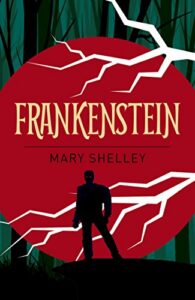
1. Frankenstein, by Mary Shelley
As the book that pioneered the science fiction genre, it is no wonder that Mary Shelley’s Frankenstein grips its reader with urgent questions on the moral implications of technology and invention stretched too far. While a popularly known and referenced story, the true power of Frankenstein can only be understood by reading the novel itself and grappling with the questions of man’s place in the universe and the guilt that falls on a creator for the results, foreseen or otherwise, of his creation. Ultimately, Frankenstein’s vivid imagery, emotional depth, and high-stakes plot is enough to win the attention and imagination of any reader long after the final page has been turned.
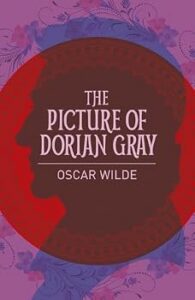
2. The Picture of Dorian Gray, by Oscar Wilde
The first time I read The Picture of Dorian Gray, I stayed up half the night to finish it. This book is equal parts psychological thriller and cutting social commentary, passing from criticism of the Victorian obsession with the superficially beautiful and virtuous into the devastating effects of a life of secrecy and vice on an increasingly paranoid mind. At the same time, Wilde’s ability to build an immersive emotional experience draws the reader relentlessly into the world and problems of his title character. Binding it all together is a plot that builds from a charming, witty opening into suspense and unease that refuse to be resolved until the very end.
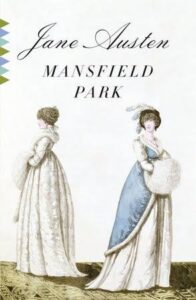
3. Mansfield Park, by Jane Austen
While an admittedly longer novel, I chose Mansfield Park to include on this list for its brilliant balance of adept social commentary and heart-warming romance. Mansfield Park’s chatty, almost gossipy narration provides the perfect background for its characters, who range from helplessly infuriating to strangely admirable. With fewer of the courtly formalities from Austen’s other novels and far more low-stakes family comedy, Mansfield Park will have you cheering for an unlikely heroine and shaking your head at her neighbors.
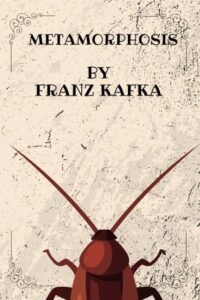
4. The Metamorphosis, by Franz Kafka
The shortest piece on this list (more novella than novel), The Metamorphosis is an ideal introductory work for someone looking to get deeper into the classics. Kafka’s blunt, precise style pairs with his absurdist ideas to create a uniquely hilarious and nightmarish central problem: what would you do if you woke up as a bug? The answer is as mundane as it is deadly serious, probing into questions of identity, alienation, and the worth of the individual in society.
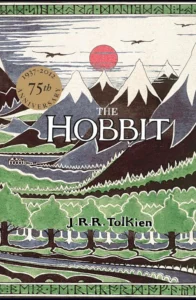
5. The Hobbit, by J.R.R. Tolkien
Perhaps one of the best loved fiction books of all time, The Hobbit is a timeless adventure tale that integrates as a prequel into Tolkien’s main work, The Lord of the Rings. As a less intimidating alternative to The Lord of the Rings, The Hobbit’s fairytale magic, lovable characters, and perfect amount of danger form a beautiful introduction to the immense world of Tolkien’s creation, Middle Earth. Because of its shorter length and fast-moving plot, it is also another ideal gateway classic that provides all the satisfaction of a childhood adventure novel.
For more summer reading inspiration, consider turning to the place all of these authors and works were drawn from: CLT’s Author Bank. This Author Bank is the source from which two-thirds of the reading and writing passages on CLT and CLT10 exams are drawn, because we at CLT believe and act on the fact that good literature can form the mind and change the world.
Once again, we wish you happy reading this summer!
Faith Walessa is from Ontario, Canada, and is a rising junior at Hillsdale College. She loves fanciful poetry, reading by flashlight, and freshly brewed coffee.
If you enjoyed this piece, be sure to check out The Anchored Podcast. For more Journal content, check out this post on CLT’s American 250 Reading Challenge. From all of us at the Journal, thanks for reading and have a great rest of your week.
Published on 13th July, 2026.