Why We Read Modern Books
As society changes, art changes too; but these changes are not always for the worse!
Why We Read Modern Books Read More »
As society changes, art changes too; but these changes are not always for the worse!
Why We Read Modern Books Read More »
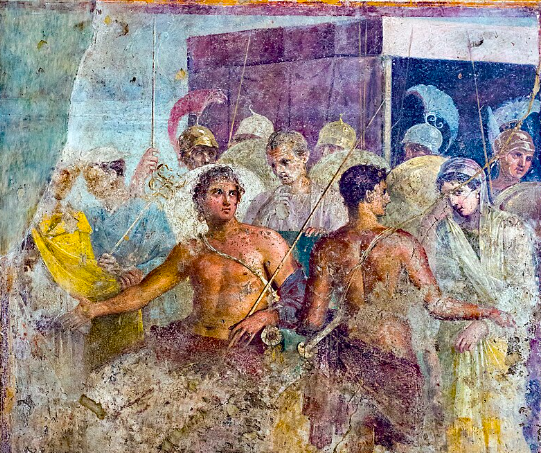
Typical analyses see the turning point of Achilles’ character in his re-entry to the war. But does his character really change?
Student Essay: Achilles Atropos Read More »
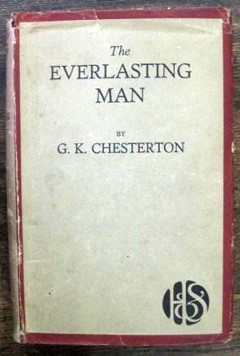
A romantic English patriot and devout Catholic convert; a friend of Shaw and Orwell and an enemy of modernity; an opponent of socialism and a staunch foe of capitalism: the paradoxes of Chesterton make an elegant closing flourish for our series on the Author Bank.
G. K. Chesterton: An Author Profile Read More »
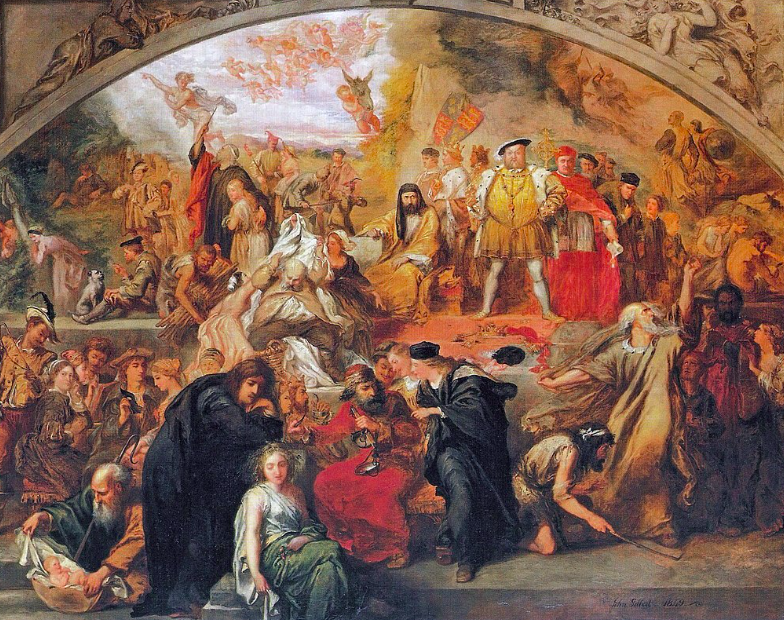
Shakespeare’s genius is shown not only in his contributions to language itself, but in his power of presenting the emotional and spiritual fractal web of human life on the stage.
Shakespeare: An Author Profile Read More »
Of the books you’ve read, which ones have impacted you the most deeply?
The Top Ten Books Recommended by Anchored Guests in 2023 Read More »
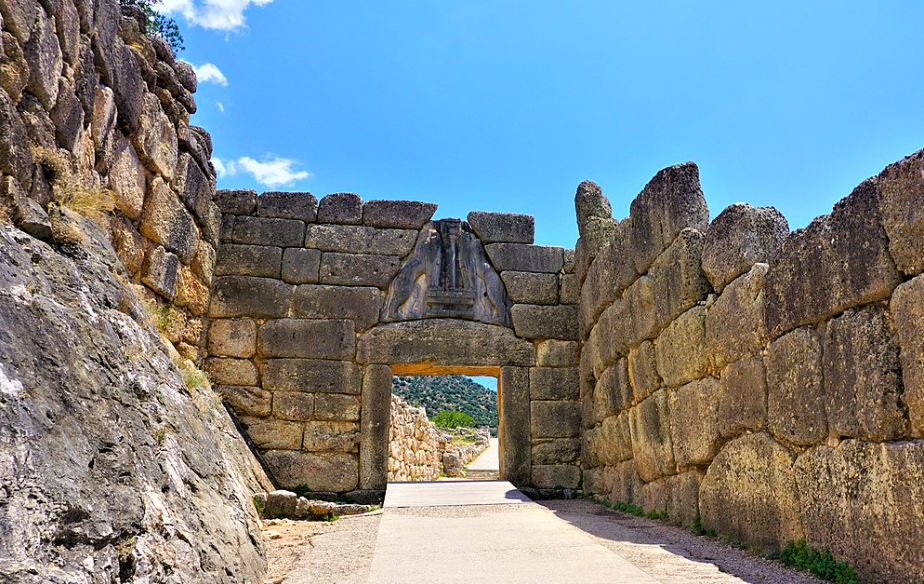
The principal literary quality of this, perhaps the most shadowy of all the figures on the CLT Author Bank, is a little ironic.
Homer: An Author Profile Read More »
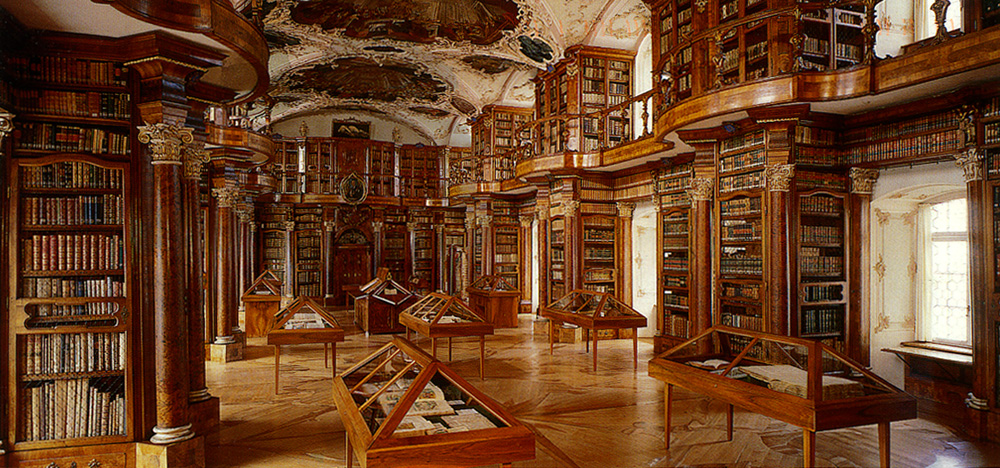
In fairness to Alice, judging by our recently-concluded tour of the wonder-land of ideas, we must concede that the books generally do lack pictures. Conversations, however …
What Does “The Great Conversation” Mean? Read More »
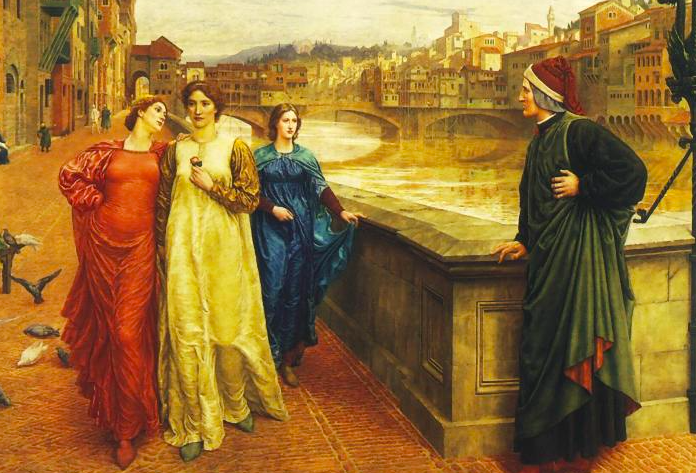
DanteAn Author ProfileSecond Canto: Vita Nuova By Gabriel Blanchard From the depths of political, personal, and spiritual defeat, Dante went on—”God knoweth how”—to write one of the great
Dante: An Author Profile, Continued Read More »
The canon of literature is like a lofty tower, composed by hands that seem superhuman (for “there were giants in the earth in those days”). Yet one poet surpassed storied Babel; for he did “reach unto heaven, and make a name.”
Dante: An Author Profile Read More »
The Renaissance was a pivotal historical period which did not exist, and lasted for one century that began in 1300 and ended in 1650, give or take fifty years in both directions. These, at least, are the impression one might take away from reading a randomly-chosen handful of modern historians.
Boccaccio: An Author Profile Read More »