Rhetorica: The Little Trinity
Three mental virtues come before all others. Without them, no further thought is possible.
Rhetorica: The Little Trinity Read More »

Three mental virtues come before all others. Without them, no further thought is possible.
Rhetorica: The Little Trinity Read More »
Rhetoric is the crown of the Trivium, and this is not an accident: “these three are one, the glory equal, the majesty coeternal …”
Rhetorica: A Complement to Dialectica Read More »
Not everyone gets a classical education, replete with grammar, logic, and rhetoric; but when pursuing wisdom, it is never too late to begin.
Dialectica: An Index of Logic (and Fallacies) Read More »
The necessary-and-sufficient conditional and the disjunctive lie before us; and then … well, we can burn that bridge when we come to it.
The Brain, a User’s Manual: Conjunction Junction Read More »
Sufficiency and necessity are twins, but not identical twins—though their younger sibling does mysteriously resemble both.
The Brain, a User’s Manual: Enough Necessity Read More »
Today, we conclude our review of Aristotelian logic and make ready to embark on Stoic logic, the last missing piece of the puzzle.
The Brain, a User’s Manual: Matters Syllogistical Read More »
Logic can make us think of the angels—like angels, logicians must frequently beginning by saying “Fear not.”
The Brain, a User’s Manual: Using the Square of Opposition Read More »
One of the most common causes of distrust and even enmity among people is mere miscommunication.
The Brain, a User’s Manual: How to Talk About Things—Part Three Read More »
We have come now to, perhaps, the most libeled and distorted period in all of human history. Let’s clear a few things up before we properly begin!
Texts in Context: From Antiquity to the Mediævum Read More »
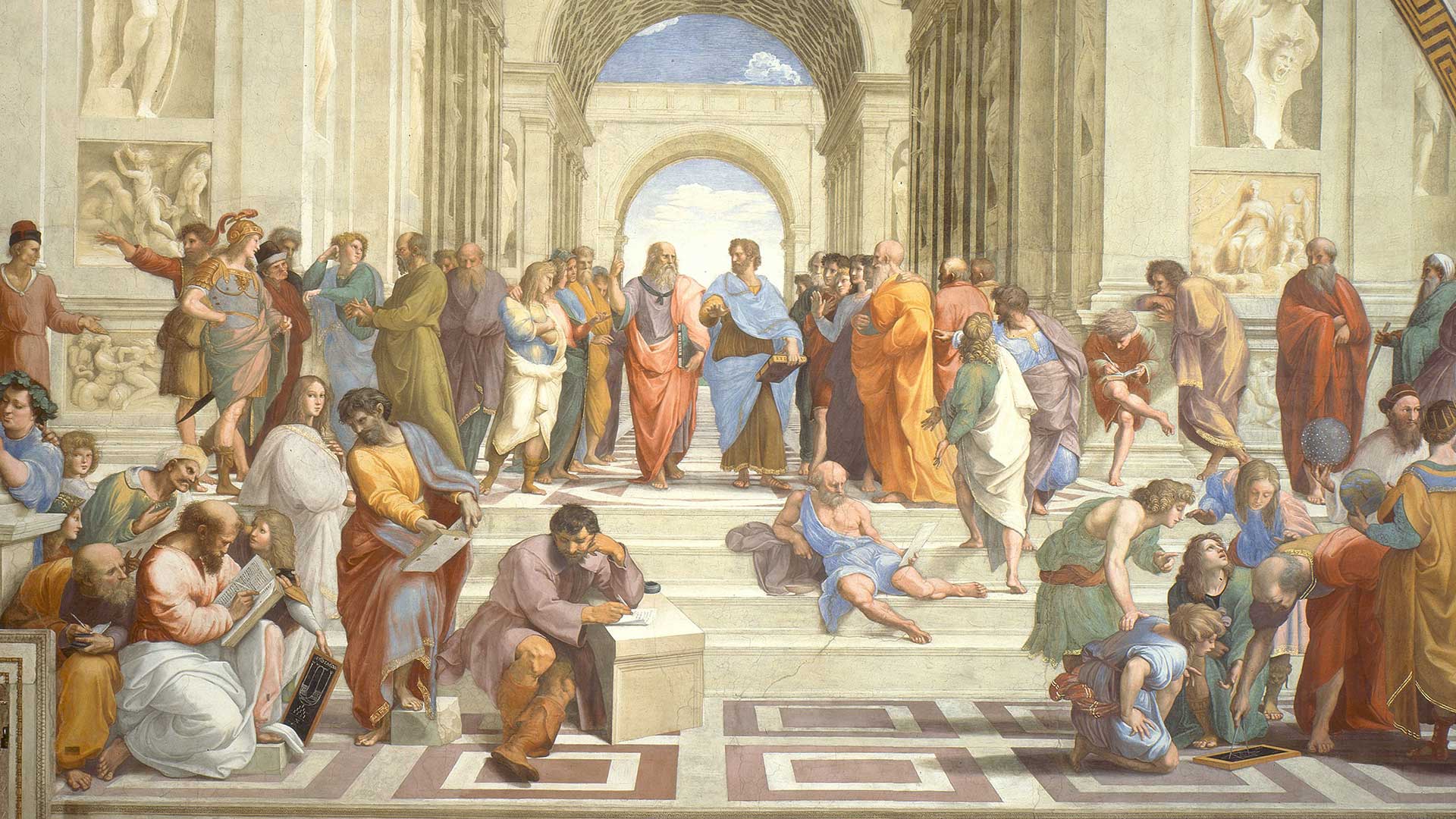
The Brain, a User’s Manual:How to Talk About Things—Part One By Gabriel Blanchard We’ve seen this painting of the School of Athens several times here on the Journal;
The Brain, a User’s Manual: How to Talk About Things—Part One Read More »