What is a Good Score on the CLT?
We’re looking into how to understand your score in comparison to other test takers and in context of your college goals.
What is a Good Score on the CLT? Read More »


We’re looking into how to understand your score in comparison to other test takers and in context of your college goals.
What is a Good Score on the CLT? Read More »
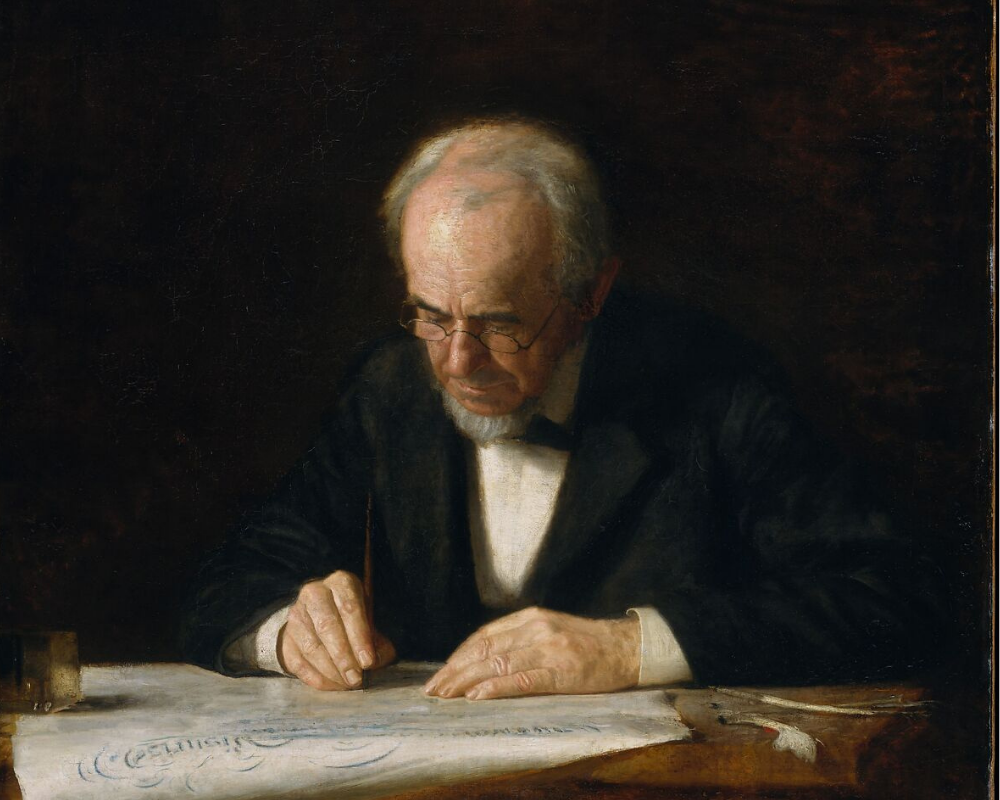
Before the 19th century, most assessments were conducted orally and in public. It was not until the widespread changes represented by the Age of Enlightenment and the Industrial Revolution that testing became a private, written affair.
The History of Written Assessments Read More »
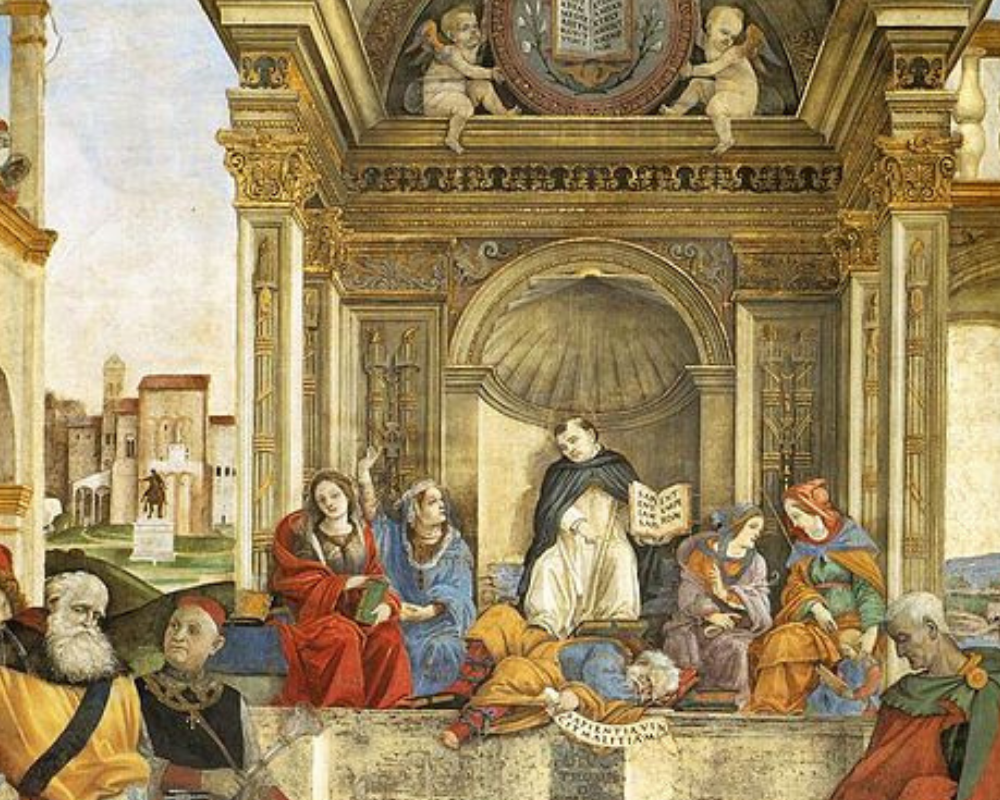
Medieval disputation served not only as a pathway to truth, but as its safeguard. A truly meaningful assessment must maintain a high standard because the very soul of civilization depends upon it.
Medieval Disputation: Assessments That Preserve Civilization Read More »
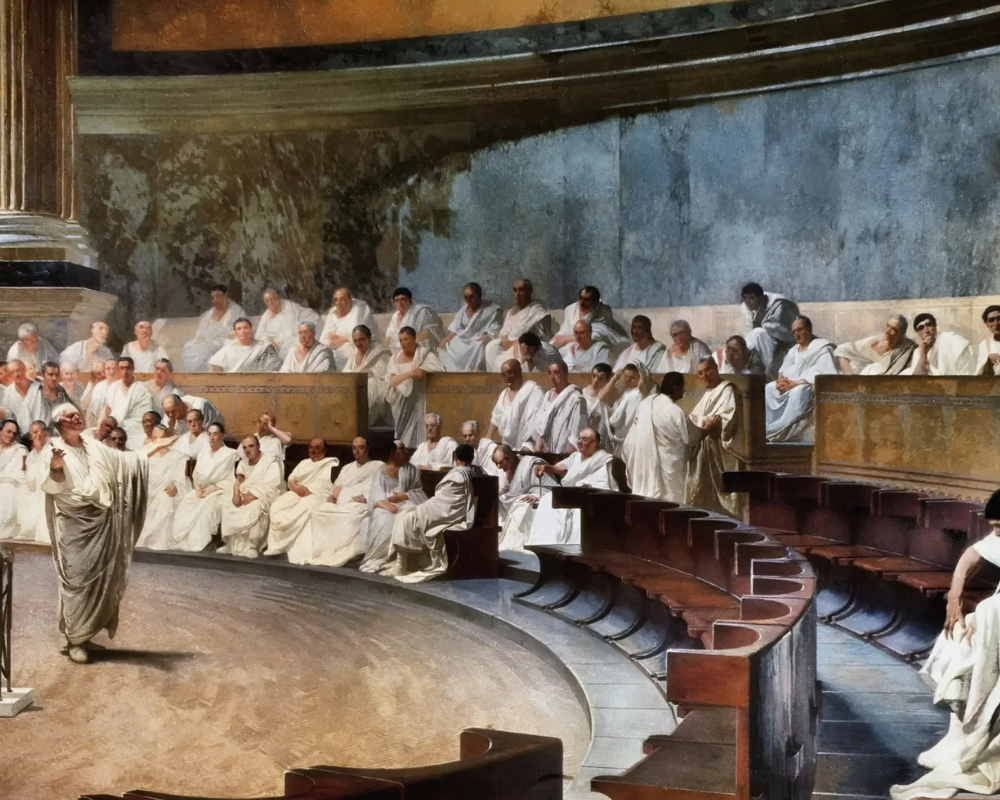
In ancient Rome, assessments evaluated a student’s readiness for shouldering the weight of civic duty – they were not just performed for the good of a student’s soul.
When the Public Square Was the Final Exam Read More »
When studying the nature of questions, it is impossible to overlook the significance of Socrates, the Father of Questions in the Western tradition. His method of Socratic Dialogue not only stands at the very origins of philosophy in the West, but it also weaves through the whole “Great Conversation” about transcendent ideas, from Ancient Greece to Modernity, as the heartbeat that drives the tradition forward. Consequently, if we are to discover a classical mode of assessment, then there is no better place to start our investigation.
A Socratic View of Assessment Read More »
Over the next several weeks, CLT will be diving deeper into the history of assessment, from ancient to modern times, here on our blog. In doing so, we hope to contribute to the classical education movement’s contemplation of the role of testing in liberal arts learning.
Are Tests Classical? Read More »
For France, July 14th is equivalent to America’s July 4th in that historians often mark the Storming of the Bastille as the official beginning of the French Revolution. Yet the tone of the two national holidays could not be more different. How can it be that just a handful of years after the celebrated outcome of the American Revolution, France was torn to shreds while reportedly pursuing the same goal?
Remembering Bastille Day Read More »
How Do You Get a Civic Education? By Emily Andrews As CLT celebrates the 250th anniversary of America’s founding, we are taking time to reflect on the kind
How Do You Get a Civic Education? Read More »
As the United States prepares to celebrate its 250th birthday, the time is ripe for reflection about what it means to be a citizen of this great nation. Although it is true that a republic grants its people profound freedom of choice, it is equally true that it lays a significant weight of responsibility on the shoulders of its citizens.
Where Does Civic Education Fit Into the Liberal Arts? Read More »